The word tomboy is commonly used in everyday conversations, media, and social discussions, yet many people are unsure about its exact meaning or how it should be used. Understanding the tomboy meaning helps you use the term correctly and respectfully, especially as language and social norms continue to evolve.
This guide explains what tomboy means, where the word comes from, how it is used today, and the common misunderstandings around it, all in clear and simple language.
What Does Tomboy Mean
Definition
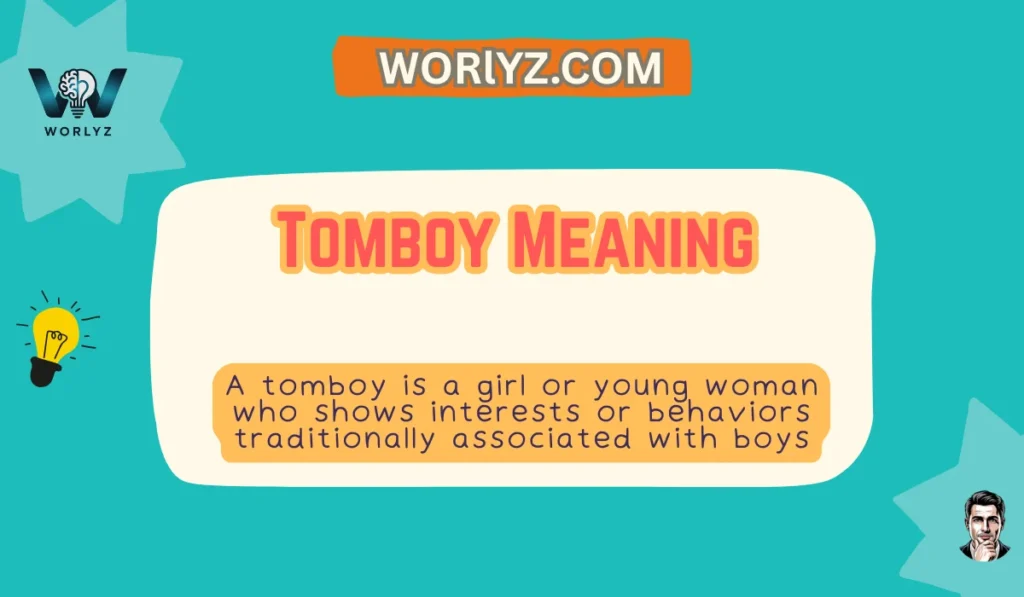
A tomboy is a girl or young woman who shows interests or behaviors traditionally associated with boys. This may include clothing style, hobbies, or mannerisms, rather than appearance alone.
Being a tomboy does not define a person’s identity or future choices. It simply describes a style or set of interests.
Origin of the Word
The term tomboy dates back to the 16th century. Originally, it was used to describe a bold or energetic boy. Over time, the meaning shifted to describe girls who behaved in ways that were considered boyish by social standards.
The word reflects historical ideas about gender roles rather than fixed definitions.
How Tomboy Is Used in Everyday Language
Tomboy as a Personality Description
When tomboy is used today, it usually refers to someone who:
- Prefers practical or sporty clothing
- Enjoys activities like sports or outdoor play
- Feels more comfortable with casual or active lifestyles
Example:
She has always been a tomboy and loves playing football.
Tomboy in Fashion and Style
Tomboy can also describe a clothing style that is:
- Comfortable and functional
- Less focused on traditional femininity
- Influenced by streetwear or sportswear
This usage is common in fashion blogs and social media.
Tomboy Meaning in Simple Language
In simple terms, a tomboy is someone who:
- Does not strictly follow traditional gender expectations
- Enjoys activities often linked to boys
- Feels comfortable being themselves
It is about interests and comfort, not labels or limits.
Tomboy Compared to Similar Terms
Understanding tomboy becomes easier when compared to related words.
| Term | Meaning | Key Difference |
|---|---|---|
| Tomboy | Girl with boyish interests | Focuses on hobbies and style |
| Girly girl | Girl who enjoys feminine styles | Opposite preference |
| Androgynous | Gender-neutral appearance | Not gender-specific |
| Sporty | Interested in athletics | Activity-based, not identity |
| Casual style | Relaxed clothing choice | Fashion-focused |
Tomboy is a descriptive term, not a category or rule.
How Tomboy Is Used in Conversations
Casual Conversation Example
She was a tomboy growing up and loved climbing trees.
Social Media Example
I have always had a tomboy style and feel confident in it.
Family Context Example
They described her as a tomboy because she preferred outdoor games.
These examples show how the word is used naturally in daily language.
Common Mistakes or Misunderstandings
Thinking Tomboy Defines Identity
Being a tomboy does not determine sexuality, gender identity, or personality.
Assuming Tomboy Means Rejecting Femininity
Many tomboys enjoy both traditionally masculine and feminine interests.
Using the Term Negatively
Tomboy should not be used as an insult. It is a neutral descriptive term.
Cultural and Social Perspective
Over time, the idea of a tomboy has become more accepted. Many people now see it as a normal and healthy expression of individuality rather than something unusual.
Modern discussions focus more on personal choice and comfort than strict gender roles.
Related Words and Expressions
When exploring the tomboy meaning, you may also encounter:
- Sporty
- Androgynous
- Casual dresser
- Nontraditional
- Free-spirited
These terms often overlap but do not have the same meaning.
FAQs:
What does tomboy mean in simple words?
Tomboy means a girl who enjoys activities or styles traditionally associated with boys.
Is being a tomboy a bad thing?
No, being a tomboy is a normal and healthy way of expressing personal interests.
Does tomboy refer to gender identity?
No, tomboy refers to behavior or style, not gender identity.
Can someone stop being a tomboy later in life?
Yes, interests and styles can change over time, and that is completely normal.
Is tomboy still an acceptable term to use?
Yes, when used respectfully, tomboy is still commonly used and understood.
Conclusion:
The tomboy meaning describes a style of interests, behavior, or fashion rather than a fixed identity. It highlights individuality and comfort rather than labels or expectations.
Understanding how the term is used helps promote respectful communication and clearer conversations. Tomboy remains a widely recognized word that reflects diversity in personality and personal expression.

John is the founder and primary content creator of Worlyz. He has a strong passion for explaining word meanings, language concepts, slang terms, and educational topics in a clear and simple way. John focuses on creating well researched, reader friendly content that helps users easily understand complex words and ideas. Through Worlyz, his goal is to make learning meanings and concepts straightforward and accessible for everyone.