The word humbling is often used to describe moments that change how we see ourselves. You might hear someone say an experience was humbling, or see the word used in conversations about success, failure, or gratitude. Understanding the humbling meaning helps you recognize why certain situations make people feel more grounded, thankful, or aware of their limits.
From everyday conversations to social media captions, humbling is a word that carries emotional depth. This guide explains its meaning clearly, with real-life context and practical examples.
What Does Humbling Mean
Definition
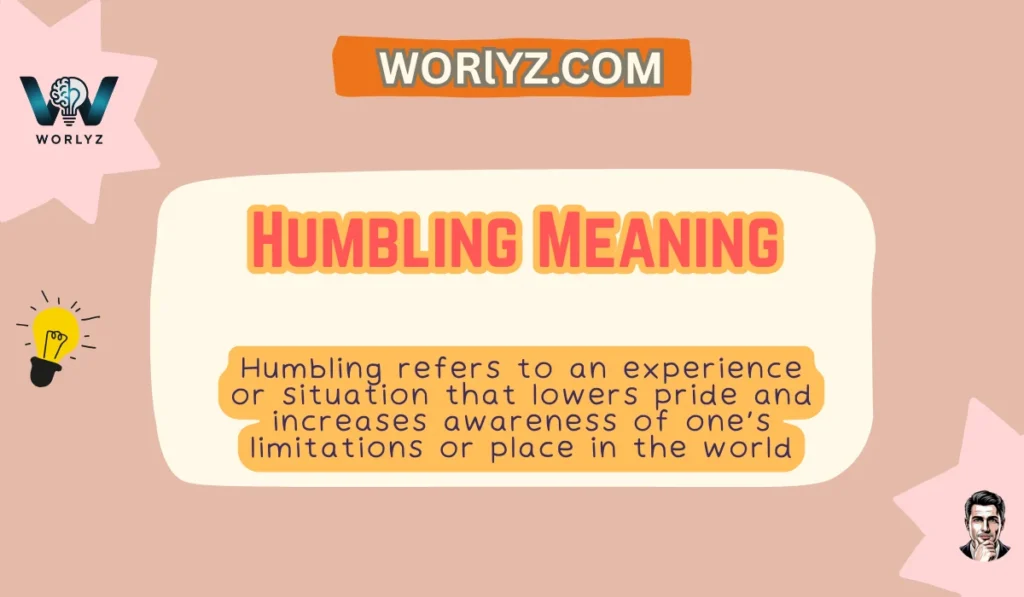
Humbling refers to an experience or situation that lowers pride and increases awareness of one’s limitations or place in the world. It often leads to feelings of gratitude, respect, or reflection.
In simple terms, something humbling reminds you that you are not above others or beyond learning.
Origin and Background
The word humbling comes from the idea of being made humble. Historically, it described actions or events that reduced arrogance or self-importance. Over time, the meaning evolved to include positive emotional growth rather than just embarrassment or defeat.
Today, humbling is commonly associated with personal growth and perspective.
Different Meanings of Humbling Based on Context
Humbling as a Personal Experience
When humbling describes an experience, it usually involves:
- Realizing your limits
- Learning from others
- Gaining respect for different perspectives
Example:
Helping people in need was a humbling experience.
Humbling in Success and Achievement
Humbling is often used when success brings awareness rather than pride.
Example:
Winning the award was humbling because of the support I received.
In this sense, humbling reflects gratitude rather than embarrassment.
Humbling in Failure or Difficulty
Sometimes humbling experiences come from setbacks or challenges.
Example:
Losing the competition was humbling but taught me valuable lessons.
Humbling Meaning in Simple Everyday Language
In modern language, humbling can mean:
- Something that keeps you grounded
- A moment that puts things into perspective
- An experience that reduces ego
Humbling moments often lead to growth and self-awareness.
Humbling Compared to Similar Words
Understanding humbling becomes clearer when compared with similar terms.
| Word | Meaning | Key Difference |
|---|---|---|
| Humbling | Reduces pride and increases awareness | Often leads to growth |
| Humiliating | Causes shame or embarrassment | Negative emotional impact |
| Grounding | Brings emotional balance | Focuses on stability |
| Eye-opening | Reveals new understanding | Focuses on realization |
| Sobering | Makes someone serious | Often related to reality checks |
Humbling is usually positive or reflective, unlike humiliating.
How Humbling Is Used in Everyday Conversations
Casual Conversation Example
Talking to elders was a humbling experience.
Social Media Example
Feeling humbling to be supported by so many people.
Work or Achievement Example
Leading this team has been a humbling responsibility.
These examples show how humbling expresses respect and gratitude.
Emotional Impact of Humbling Experiences
Humbling moments often:
- Increase empathy
- Encourage gratitude
- Reduce arrogance
- Improve self-awareness
They help people reconnect with reality and others.
Common Mistakes or Misunderstandings
Confusing Humbling With Humiliating
Humbling is not meant to shame, while humiliating is painful and negative.
Overusing Humbling for Minor Events
Small inconveniences are not usually humbling unless they change perspective.
Using Humbling Incorrectly in Formal Writing
Humbling should fit emotionally meaningful situations.
Related Words and Expressions
When learning the humbling meaning, you may also see:
- Humble
- Gratifying
- Perspective-shifting
- Reflective
- Grounded
These words often appear in similar contexts.
FAQs:
What does humbling mean in simple words?
Humbling means an experience that reduces pride and helps you see things more realistically.
Is humbling a positive or negative word?
Humbling is usually positive because it leads to learning and gratitude.
Can success be humbling?
Yes, success can be humbling when it makes someone feel thankful rather than proud.
What is the difference between humbling and humiliating?
Humbling leads to growth, while humiliating causes embarrassment or shame.
Can everyday moments be humbling?
Yes, even small moments can be humbling if they change your perspective.
Conclusion:
The humbling meaning goes beyond feeling small or embarrassed. It describes moments that bring awareness, gratitude, and emotional growth. Whether through success, failure, or meaningful experiences, humbling moments help people stay grounded.
Understanding how humbling is used allows you to express emotions more accurately and recognize moments that shape character and perspective in everyday life.

John is the founder and primary content creator of Worlyz. He has a strong passion for explaining word meanings, language concepts, slang terms, and educational topics in a clear and simple way. John focuses on creating well researched, reader friendly content that helps users easily understand complex words and ideas. Through Worlyz, his goal is to make learning meanings and concepts straightforward and accessible for everyone.