The word territory is used in many parts of daily life, even though people often associate it only with maps or politics. You might hear it in conversations about countries, animals, workplaces, personal space, or even unfamiliar situations. Understanding the territory meaning helps you follow discussions more clearly and use the word naturally in different contexts.
Territory is a powerful word because it combines ideas of space, control, responsibility, and boundaries. Whether physical or emotional, territory plays an important role in how people and groups interact with each other.
What Does Territory Mean
Definition
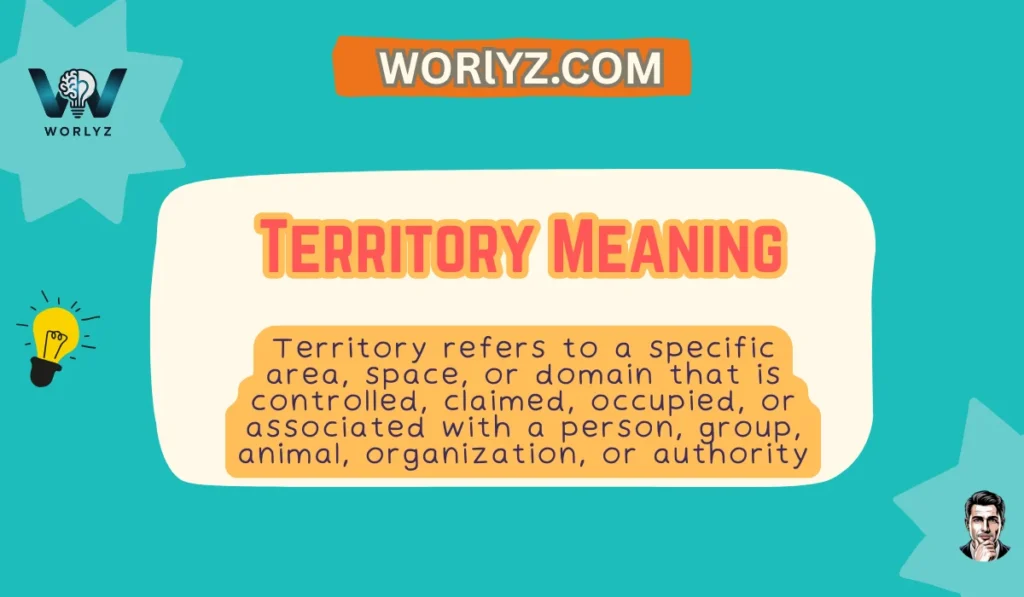
Territory refers to a specific area, space, or domain that is controlled, claimed, occupied, or associated with a person, group, animal, organization, or authority. This area can be physical, social, emotional, or professional.
In simple terms, territory is a space where someone feels ownership, influence, or responsibility.
Origin and Background
The word territory comes from the Latin term territorium, which originally meant land under legal authority or jurisdiction. In ancient societies, territory was closely linked to power, protection, and governance.
Over time, the meaning expanded beyond land to include:
- Areas of responsibility
- Personal and emotional space
- Fields of expertise or control
This evolution explains why territory is now used in both formal and everyday language.
Different Meanings of Territory Based on Context
Territory in Geography and Politics
In geography and politics, territory refers to land controlled or governed by a country, state, or ruling authority.
Common examples include:
- National territory
- Overseas territory
- Disputed territory
- Occupied territory
In this context, territory involves borders, laws, governance, and sometimes conflict. It often plays a major role in international relations and history.
Territory in Animals and Nature
In biology, territory refers to an area that an animal claims and defends from others of the same species.
Examples include:
- Birds defending nesting territory
- Wolves protecting hunting territory
- Dogs marking territory
Here, territory is about survival, access to resources, and protection. Animals use territory to secure food, mates, and safety.
Territory in Personal and Social Life
Territory also applies to human behavior and social interaction. People naturally develop a sense of personal territory.
Examples:
- Wanting personal space
- Feeling uncomfortable when someone stands too close
- Claiming a seat, desk, or room as your own
Personal territory helps people feel safe, respected, and in control of their environment.
Territory in Business and Professional Settings
In business, territory often refers to an area of responsibility rather than physical land.
Common uses include:
- Sales territory
- Management territory
- Market territory
Example:
She was assigned a new sales territory to manage.
In professional settings, territory defines roles, duties, and accountability.
Territory Meaning in Simple Language
In everyday language, territory can mean:
- A place someone controls or manages
- A space someone feels ownership over
- An area someone is responsible for
- A subject or situation someone is familiar with
The meaning depends on how and where the word is used.
Examples of Territory in Conversations
Everyday Conversation Example
This playground feels like their territory because they come here every day.
Workplace Example
He is responsible for the eastern territory.
Emotional Context Example
Please respect my territory and give me some space.
Figurative Example
Public speaking is new territory for me.
These examples show how territory can describe land, responsibility, personal space, or experience.
Territory Compared to Similar Words
Comparing territory with similar words helps clarify its meaning.
| Word | Meaning | Key Difference |
|---|---|---|
| Territory | Area of control or influence | Implies authority or responsibility |
| Land | Physical ground | No control implied |
| Region | Large geographic area | Often neutral |
| Domain | Area of authority or knowledge | More abstract |
| Zone | Defined area with purpose | Often temporary |
| Turf | Informal word for territory | Casual or slang usage |
Territory usually suggests control, defense, or responsibility.
Psychological and Social Importance of Territory
Territory plays a strong role in human psychology. People naturally protect what they consider their own.
Examples include:
- Personal workspaces
- Bedrooms or private rooms
- Online profiles and accounts
- Creative ideas or projects
When someone crosses these boundaries, it can cause discomfort, stress, or conflict. Respecting territory is essential for healthy relationships and teamwork.
Territory in Idioms and Everyday Expressions
The word territory is commonly used in expressions that go beyond its literal meaning.
- New territory meaning an unfamiliar situation
- Uncharted territory meaning something never experienced before
- Marking territory meaning showing control or presence
- Personal territory meaning emotional or physical space
These phrases are widely used in both spoken and written English.
Common Mistakes or Misunderstandings
Assuming Territory Always Means Land
Territory does not always refer to physical land. It can also describe emotional, professional, or social space.
Confusing Territory With Legal Ownership
Territory can imply influence or responsibility even without legal ownership.
Using Territory Too Formally in Casual Talk
In everyday conversation, territory should sound natural and relaxed.
Territory in Modern Usage
Today, territory is used in many modern contexts, including:
- Business planning and sales
- Workplace communication
- Psychology and therapy
- Online communities and digital spaces
People often talk about digital territory, such as social media pages or online platforms they manage or identify with.
Related Words and Concepts
When learning the territory meaning, you may also come across:
- Jurisdiction
- Boundary
- Area
- Sphere
- Turf
Each of these words overlaps with territory but carries its own tone and nuance.
FAQs:
What does territory mean in simple words?
Territory means an area or space that someone controls, claims, or feels responsible for.
Can territory refer to something non-physical?
Yes, territory can refer to personal space, emotional boundaries, or professional responsibilities.
What does marking territory mean?
Marking territory means showing ownership, control, or presence in a space or situation.
Is territory always related to conflict?
No, territory can be neutral and simply describe boundaries or areas of responsibility.
How is territory used in business?
In business, territory usually refers to regions, accounts, or responsibilities assigned to a person or team.
Conclusion:
The territory meaning goes far beyond land or borders. It includes physical spaces, emotional boundaries, professional roles, and areas of influence. Territory helps define control, responsibility, and personal comfort in many areas of life.
By understanding how territory is used across different contexts, you can communicate more clearly and better understand conversations where the word appears.

Alex is the owner and founder of Worlyz. He is passionate about explaining word meanings, language concepts, slang terms, and educational topics in a clear and simple manner. Alex focuses on creating high quality, well researched, and user focused content that helps readers understand complex words easily. Through Worlyz, his goal is to make learning language meanings and concepts accessible and reliable for everyone.