The phrase righteous indignation may sound formal, but it is still widely used in everyday language, writing, media, and moral discussions. You might hear it in speeches, books, religious talks, or even online debates when people react strongly to injustice. Understanding the righteous indignation meaning helps you recognize when anger is being described as justified rather than uncontrolled or harmful.
Unlike ordinary anger, righteous indignation carries a sense of moral purpose. It suggests that the emotion comes from a belief that something is wrong and should be corrected.
What Does Righteous Indignation Mean
Definition
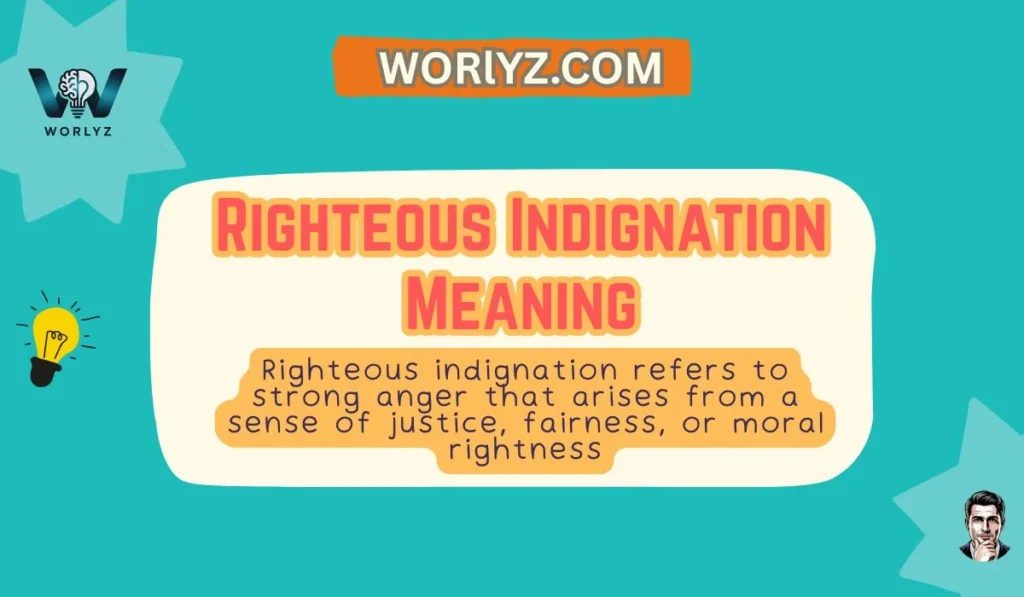
Righteous indignation refers to strong anger that arises from a sense of justice, fairness, or moral rightness. It is the feeling of being upset because something is believed to be wrong, unjust, or immoral.
In simple terms, righteous indignation is anger that feels justified.
Origin and Background
The word righteous comes from Old English and Latin roots meaning morally right or just. Indignation comes from Latin indignari, meaning to feel anger at something unworthy or unfair.
When combined, righteous indignation describes anger that is rooted in moral values rather than personal insult or selfish desire.
Different Meanings Based on Context
Righteous Indignation in Moral or Ethical Situations
Righteous indignation is commonly used when people react to injustice, cruelty, or unfair treatment.
Examples include:
- Speaking out against corruption
- Defending vulnerable groups
- Condemning dishonest behavior
In these cases, the anger is seen as appropriate and even necessary.
Righteous Indignation in Religious Contexts
In religious discussions, righteous indignation often refers to anger that aligns with moral or divine standards.
For example:
- Prophets expressing anger at injustice
- Religious leaders condemning immoral actions
Here, righteous indignation is viewed as a response to wrongdoing rather than hatred.
Righteous Indignation in Everyday Life
In daily conversations, people may use righteous indignation to describe being upset over unfair treatment or ethical violations.
Example:
She reacted with righteous indignation when she saw the unfair policy.
Righteous Indignation Meaning in Simple Language
In everyday terms, righteous indignation means:
- Being angry for the right reason
- Feeling moral outrage
- Standing up against what feels wrong
It is anger connected to values, not ego.
Examples of Righteous Indignation in Conversations
Casual Conversation Example
He spoke with righteous indignation about how workers were treated.
Public Discussion Example
The article was written with righteous indignation toward corruption.
Personal Situation Example
She felt righteous indignation when she saw someone being bullied.
These examples show how the phrase is used to express principled anger.
Righteous Indignation Compared to Similar Emotions
Understanding righteous indignation becomes easier when compared to similar emotions.
| Term | Meaning | Key Difference |
|---|---|---|
| Righteous indignation | Justified moral anger | Rooted in ethics |
| Anger | General feeling of upset | Can be personal |
| Rage | Intense uncontrolled anger | Often destructive |
| Frustration | Annoyance or stress | Less moral focus |
| Resentment | Long-term bitterness | Often personal |
Righteous indignation is controlled and purpose-driven.
Positive and Negative Sides of Righteous Indignation
Positive Aspects
- Motivates action against injustice
- Encourages accountability
- Supports moral courage
Potential Risks
- Can turn into self-righteousness
- May justify harsh behavior if unchecked
- Can escalate conflict
The key difference lies in how the emotion is expressed.
Common Mistakes or Misunderstandings
Assuming Righteous Indignation Is Always Right
Not all anger labeled righteous truly is. It depends on perspective and fairness.
Confusing It With Moral Superiority
Righteous indignation is about justice, not feeling better than others.
Using It to Excuse Bad Behavior
Anger should not justify cruelty or disrespect.
Righteous Indignation in Writing and Media
Writers and speakers often use righteous indignation to:
- Persuade audiences
- Highlight social issues
- Create emotional impact
When used well, it can inspire change. When overused, it may feel preachy.
Related Words and Expressions
When exploring the righteous indignation meaning, you may also encounter:
- Moral outrage
- Justified anger
- Ethical protest
- Principled anger
- Sense of justice
Each phrase overlaps but carries a slightly different tone.
FAQs:
What does righteous indignation mean in simple words?
Righteous indignation means feeling angry because something is unfair or morally wrong.
Is righteous indignation a good thing?
It can be good when it motivates positive change, but harmful if it leads to arrogance or cruelty.
How is righteous indignation different from normal anger?
Righteous indignation is based on moral values, while normal anger can be personal or emotional.
Can righteous indignation be used in everyday conversation?
Yes, it is often used to describe justified anger in discussions or writing.
Is righteous indignation used in religious contexts?
Yes, it is commonly used in religious and moral discussions to describe anger aligned with ethical standards.
Conclusion:
The righteous indignation meaning centers on anger that comes from a sense of justice and moral responsibility. Unlike ordinary anger, it is rooted in values and often directed at wrongdoing rather than individuals.
When understood and expressed carefully, righteous indignation can be a powerful force for awareness and positive change. Recognizing the difference between justified anger and destructive emotion helps you use the term accurately and thoughtfully.

John is the founder and primary content creator of Worlyz. He has a strong passion for explaining word meanings, language concepts, slang terms, and educational topics in a clear and simple way. John focuses on creating well researched, reader friendly content that helps users easily understand complex words and ideas. Through Worlyz, his goal is to make learning meanings and concepts straightforward and accessible for everyone.