The word tener is one of the most common and important verbs in the Spanish language. If you are learning Spanish or have seen the word in conversations, songs, or texts, you may wonder what it really means and how it is used. Understanding the tener meaning is essential because this verb appears in everyday speech far more often than many learners expect.
Unlike some verbs that have only one clear translation, tener has multiple meanings depending on context. It can describe possession, feelings, age, obligation, and even physical conditions. This guide explains the word in detail so you can understand it clearly and use it naturally.
What Does Tener Mean
Definition
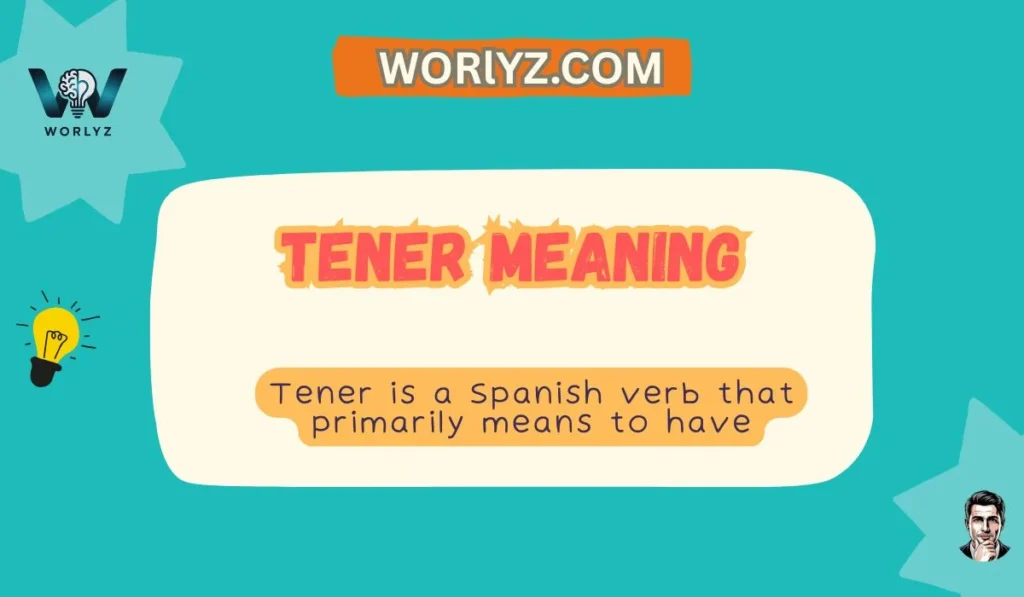
Tener is a Spanish verb that primarily means to have. It is used to express possession, relationships, conditions, emotions, age, and certain obligations.
In simple terms, tener is about having or experiencing something, whether it is physical, emotional, or situational.
Origin and Background
The verb tener comes from the Latin word tenere, meaning to hold or keep. Over time, its meaning expanded beyond physical possession to include abstract ideas such as emotions, responsibilities, and states of being.
This evolution explains why tener is used in many situations where English might use different verbs.
Different Meanings of Tener Based on Context
Tener to Show Possession
The most basic and common use of tener is to show ownership or possession.
Examples:
- Tengo un libro meaning I have a book
- Ella tiene un coche meaning She has a car
This usage is similar to the English verb have.
Tener to Express Relationships
Tener is also used to talk about family members or relationships.
Examples:
- Tengo dos hermanos meaning I have two brothers
- Tenemos muchos amigos meaning We have many friends
In this case, tener describes connections rather than ownership.
Tener to Talk About Age
In Spanish, age is expressed using tener, not the verb to be.
Examples:
- Tengo veinte años meaning I am twenty years old
- Él tiene diez años meaning He is ten years old
This is one of the most important uses of tener for learners to remember.
Tener to Express Physical or Emotional States
Spanish uses tener in many expressions where English uses feel or be.
Common examples:
- Tener hambre meaning to be hungry
- Tener sed meaning to be thirsty
- Tener frío meaning to be cold
- Tener miedo meaning to be afraid
These expressions describe temporary conditions or feelings.
Tener to Show Obligation
Tener can also express obligation or necessity when combined with que.
Example:
- Tengo que estudiar meaning I have to study
In this form, tener shows responsibility or requirement.
Tener Meaning in Simple Language
In everyday terms, tener can mean:
- To have something
- To experience something
- To feel a certain way
- To need or must do something
Its meaning depends entirely on the words that follow it.
Examples of Tener in Sentences
Basic Possession Example
Tengo tiempo hoy para hablar.
Age Example
Mi hermana tiene treinta años.
Feeling Example
Tenemos sueño después del viaje.
Obligation Example
Tengo que trabajar mañana.
These examples show how flexible and essential the verb tener is.
Common Tener Expressions You Should Know
Tener appears in many fixed expressions that are used daily by native speakers.
Common expressions include:
- Tener razón meaning to be right
- Tener cuidado meaning to be careful
- Tener éxito meaning to be successful
- Tener prisa meaning to be in a hurry
- Tener suerte meaning to be lucky
Learning these phrases helps you sound more natural in Spanish.
Tener Compared to Similar Verbs
Tener is often confused with other Spanish verbs. Comparing them makes the differences clearer.
| Verb | Meaning | Key Difference |
|---|---|---|
| Tener | To have | Used for possession and states |
| Haber | To have | Used as an auxiliary verb |
| Ser | To be | Used for permanent traits |
| Estar | To be | Used for temporary states |
| Poseer | To own | More formal and specific |
Tener focuses on having or experiencing, not identity or existence.
Why Tener Is So Important in Spanish
Tener is one of the most frequently used verbs in Spanish. Without it, basic communication becomes very difficult.
Reasons why tener is essential:
- Used in daily conversations
- Appears in beginner and advanced Spanish
- Required for expressing age and feelings
- Used in obligation structures
Mastering tener gives learners a strong foundation in Spanish.
Common Mistakes When Using Tener
Using Ser Instead of Tener for Age
Saying soy veinte años is incorrect. Spanish uses tener for age.
Translating English Directly
English phrases like I am hungry translate to tengo hambre, not soy hambre.
Forgetting Conjugation Changes
Tener is an irregular verb and changes form depending on the subject.
Basic Conjugation of Tener (Present Tense)
Understanding conjugation helps you use tener correctly.
| Subject | Tener Form |
|---|---|
| Yo | Tengo |
| Tú | Tienes |
| Él Ella Usted | Tiene |
| Nosotros | Tenemos |
| Vosotros | Tenéis |
| Ellos Ustedes | Tienen |
The yo form is irregular, which is important to remember.
Tener in Everyday Conversations
Tener is commonly used in:
- Daily routines
- Work and school conversations
- Family discussions
- Expressing needs and plans
Native speakers use tener naturally and frequently without thinking about it.
Related Words and Concepts
When learning the tener meaning, you may also encounter:
- Tener ganas meaning to feel like doing something
- Tener en cuenta meaning to take into account
- Tener lugar meaning to take place
These expressions expand your understanding of how versatile the verb is.
FAQs:
What does tener mean in simple words?
Tener means to have or to experience something.
Is tener always translated as have?
No, tener can also mean to feel, to be a certain age, or to have an obligation.
Why does Spanish use tener for age?
Spanish treats age as something you have rather than something you are.
Is tener a regular verb?
No, tener is an irregular verb with changes in some conjugations.
Can tener express feelings?
Yes, many feelings and physical conditions are expressed using tener.
Conclusion:
The tener meaning goes far beyond the simple idea of possession. It is a core Spanish verb used to express age, emotions, obligations, relationships, and everyday experiences. Because of its flexibility and frequency, tener plays a major role in natural Spanish communication.
By understanding how tener works in different contexts, you can speak and understand Spanish more confidently and avoid common mistakes that learners often make.

John is the founder and primary content creator of Worlyz. He has a strong passion for explaining word meanings, language concepts, slang terms, and educational topics in a clear and simple way. John focuses on creating well researched, reader friendly content that helps users easily understand complex words and ideas. Through Worlyz, his goal is to make learning meanings and concepts straightforward and accessible for everyone.