The word addicted is commonly used in everyday conversations, social media, health discussions, and even casual jokes. While many people use it lightly, its meaning can be serious and complex depending on the context. Understanding the addicted meaning helps you recognize when the word describes a habit, an emotional attachment, or a real struggle that affects daily life.
From habits like being addicted to phones or games to serious substance dependence, the word carries different levels of intensity. Below is a detailed and clear explanation that breaks down all major meanings and uses.
What Does Addicted Mean
Definition
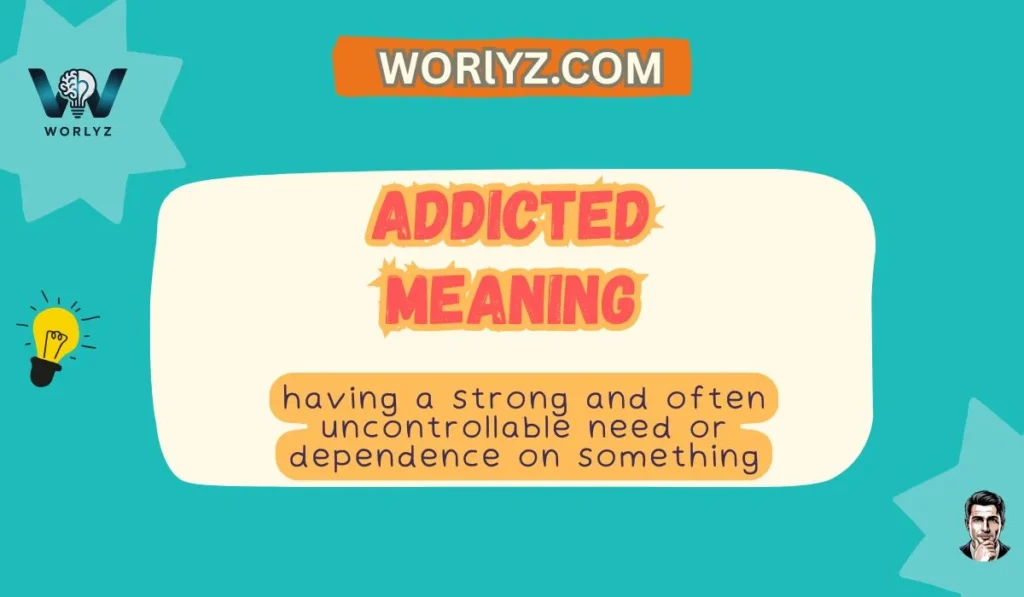
Addicted means having a strong and often uncontrollable need or dependence on something, whether it is a substance, behavior, or activity. This dependence can be physical, emotional, or psychological.
At its core, being addicted means finding it difficult to stop or function normally without the thing involved.
Origin and Background
The word addicted comes from the Latin term addictus, which originally meant bound or devoted. In ancient times, it referred to someone legally bound to another person. Over time, the meaning shifted to describe strong attachment or dependence.
This history explains why addicted can describe both:
- Serious medical conditions
- Strong habits or obsessions
Different Meanings of Addicted Based on Context
Addicted in a Medical or Health Context
In health and psychology, addicted refers to dependence on substances or behaviors that affect the brain and body.
Examples include:
- Drug addiction
- Alcohol addiction
- Nicotine addiction
In these cases, addiction involves cravings, withdrawal symptoms, and loss of control.
Addicted in Emotional or Behavioral Contexts
Addicted can also describe strong emotional or behavioral attachment, even if no substance is involved.
Examples:
- Addicted to social media
- Addicted to gaming
- Addicted to work
Here, the word highlights habits that feel hard to break and may affect daily routines.
Addicted Used Casually in Speech
In casual conversation, addicted is often used loosely to express enjoyment or preference.
Examples:
- I am addicted to this song
- She is addicted to coffee
In these cases, the word is exaggerated and not meant medically.
Addicted Meaning in Simple Language
In everyday terms, addicted can mean:
- Unable to stop doing something
- Strongly attached to a habit or thing
- Feeling a strong need rather than a choice
The seriousness depends on tone, situation, and impact on life.
Examples of Addicted in Conversations
Casual Conversation Example
I am addicted to watching that show every night.
Serious Context Example
He is struggling because he is addicted to alcohol.
Social Media Example
Addicted to late-night scrolling again.
These examples show how the word shifts between light and serious usage.
Addicted Compared to Similar Words
Understanding addicted becomes clearer when compared to related terms.
| Word | Meaning | Key Difference |
|---|---|---|
| Addicted | Dependent and unable to stop | Loss of control |
| Obsessed | Intense interest | Not always harmful |
| Dependent | Relies on something | Can be necessary |
| Habitual | Done regularly | Easier to change |
| Compulsive | Hard to resist | Driven by urge |
Addicted often implies negative consequences and difficulty stopping.
Psychological and Emotional Aspects of Addiction
Addiction affects the brain’s reward system. When someone is addicted, their brain strongly associates pleasure or relief with a specific substance or activity.
Common emotional signs include:
- Anxiety without the habit
- Irritability when unable to engage
- Guilt or shame
- Loss of control
This is why addiction is often described as both mental and emotional.
Social and Cultural Use of the Word Addicted
In modern culture, addicted is used frequently online, especially on social media.
Common examples:
- Addicted to hustle culture
- Addicted to productivity
- Addicted to scrolling
While often humorous, overuse can sometimes downplay the seriousness of real addiction.
Common Mistakes or Misunderstandings
Using Addicted Too Lightly
Saying addicted casually may minimize real struggles people face.
Confusing Addiction With Strong Interest
Liking something a lot does not always mean addiction.
Ignoring Emotional Addiction
Addiction is not limited to substances; behaviors and emotions can be addictive too.
Addicted in Idioms and Expressions
Some common expressions include:
- Addicted to success
- Addicted to drama
- Addicted to attention
These phrases are metaphorical but still imply dependence.
Related Words and Concepts
When learning the addicted meaning, you may also encounter:
- Addiction
- Dependency
- Craving
- Withdrawal
- Recovery
These terms are often connected and help explain the broader concept.
FAQs:
What does addicted mean in simple words?
Addicted means feeling unable to stop using or doing something even when it causes problems.
Can someone be addicted without substances?
Yes, people can be addicted to behaviors like gaming, shopping, or social media.
Is addicted always a medical condition?
No, sometimes the word is used casually, but real addiction is a serious condition.
What is the difference between addicted and obsessed?
Addicted involves loss of control, while obsessed means strong interest without dependence.
Can addiction be emotional?
Yes, emotional addiction can happen when someone relies heavily on feelings or behaviors for comfort.
Conclusion:
The addicted meaning depends greatly on context. It can describe a serious health condition, a behavioral struggle, or a casual way of expressing strong interest. Despite its flexible usage, addiction often involves loss of control and difficulty stopping.
Understanding how addicted is used helps you communicate more clearly and recognize when the word refers to something serious. Whether used lightly or seriously, it is a powerful word that reflects human habits, emotions, and challenges.

John is the founder and primary content creator of Worlyz. He has a strong passion for explaining word meanings, language concepts, slang terms, and educational topics in a clear and simple way. John focuses on creating well researched, reader friendly content that helps users easily understand complex words and ideas. Through Worlyz, his goal is to make learning meanings and concepts straightforward and accessible for everyone.