The term Playboy Bunny is widely recognized in popular culture, entertainment, and media. While many people have heard it, not everyone knows its full meaning, history, or the cultural context behind it. Understanding the Playboy Bunny meaning helps you grasp references in movies, magazines, social media, and conversations.
The term has evolved over time, from a literal job title to a cultural icon associated with style, glamour, and controversy. Below is a detailed breakdown of what it means, how it originated, and how it is used today.
What Does Playboy Bunny Mean
Definition
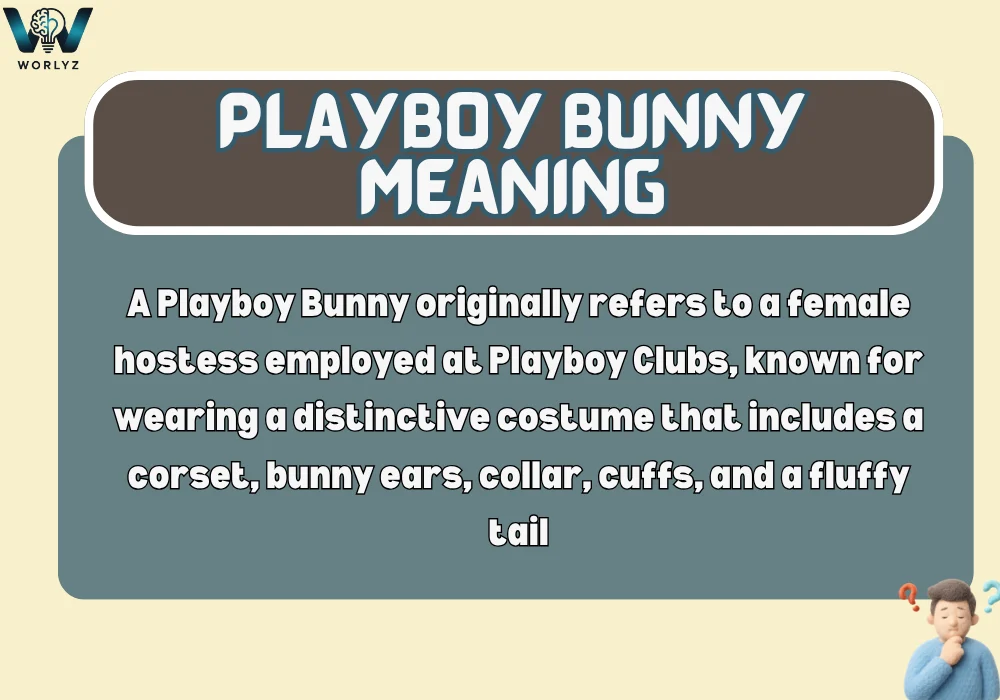
A Playboy Bunny originally refers to a female hostess employed at Playboy Clubs, known for wearing a distinctive costume that includes a corset, bunny ears, collar, cuffs, and a fluffy tail. These women were trained to serve drinks, entertain guests, and represent the Playboy brand.
Over time, the term has expanded to symbolize:
- Glamour and sexual allure
- The Playboy lifestyle
- Pop culture fashion statements
Origin of the Term
The term “Playboy Bunny” was created in the early 1960s by Hugh Hefner, the founder of Playboy magazine. Hefner designed the Playboy Clubs as exclusive venues for men, and the Bunnies were meant to serve as hostesses, entertainers, and brand ambassadors.
The costume was inspired by:
- The Playboy logo, featuring a rabbit
- Classic pin-up aesthetics of the era
Bunnies were not just waitresses; they became symbols of sophistication, charm, and allure.
Historical and Cultural Context
Playboy Clubs
Playboy Clubs first opened in 1960 in Chicago. They became social hotspots, attracting celebrities, politicians, and high-profile guests. Bunnies were carefully selected for:
- Elegance and charm
- Professional skills in hospitality
- Ability to maintain the Playboy brand image
The clubs eventually spread to cities worldwide, including London, New York, and Paris.
Social Impact
The Playboy Bunny quickly became a cultural icon, representing:
- Sexual liberation during the 1960s and 70s
- Glamour, sophistication, and the nightlife scene
- Pop culture trends in fashion and entertainment
However, the role also sparked debates about feminism, workplace objectification, and media portrayals of women.
Playboy Bunny Costume and Symbolism
The iconic Playboy Bunny costume includes:
- Black corset or bodysuit
- Bunny ears headband
- Bow tie collar and cuffs
- Cuffs with buttons
- Fluffy tail
- Heels
The costume became a symbol of the Playboy brand and was instantly recognizable worldwide.
The symbolism behind the costume reflects:
- Glamour and luxury
- Playfulness and flirtation
- Brand identity and exclusivity
Modern Uses of the Term
Today, “Playboy Bunny” is often used in several ways:
Literal Meaning
Refers to women who worked at Playboy Clubs (historically accurate).
Fashion or Costume Reference
Used for themed parties, Halloween costumes, or cosplay.
Figurative Meaning
Describes someone embracing glamour, flirtation, or a Playboy-inspired lifestyle.
Media References
Appears in movies, TV shows, music, and online discussions.
Playboy Bunny in Popular Culture
The term has been referenced in:
- Movies like The House Bunny
- TV shows and reality series
- Music lyrics, especially in hip-hop and pop culture
- Social media for fashion and style inspiration
It is often associated with confidence, charm, and style rather than just the historical job role.
Common Misunderstandings
Thinking a Playboy Bunny Is the Same as a Playmate
A Playboy Bunny worked in the clubs; a Playboy Playmate appeared in Playboy magazine.
Confusing the Term With Negative Stereotypes
While historically associated with sex appeal, many Bunnies were professional, skilled, and part of the hospitality industry.
Using the Term Casualy
Calling someone a Playboy Bunny today may be playful or humorous but can be disrespectful if not contextually appropriate.
Comparison Table: Playboy Bunny vs. Playmate
| Term | Meaning | Key Difference |
|---|---|---|
| Playboy Bunny | Club hostess | Worked in Playboy Clubs, wore costume, served guests |
| Playboy Playmate | Magazine model | Featured in Playboy magazine, posed for photos |
| Icon | Symbol of Playboy lifestyle | Costume, glamour, nightlife association |
| Role | Hospitality and entertainment | Modeling and media representation |
This table highlights the subtle but important differences between the two terms.
Related Words and Concepts
When exploring the Playboy Bunny meaning, you may also encounter:
- Playmate
- Bunny costume
- Playboy Club
- Hugh Hefner
- Pin-up model
Each term connects to different aspects of the Playboy brand and culture.
FAQs:
What does Playboy Bunny mean in simple words?
A Playboy Bunny is a woman who worked at Playboy Clubs, wearing a costume with bunny ears and serving guests.
Is a Playboy Bunny the same as a Playmate?
No, Bunnies worked at the clubs, while Playmates appeared in Playboy magazine.
Why is the Playboy Bunny costume famous?
The costume is iconic because it represents glamour, style, and the Playboy brand.
Can Playboy Bunny refer to a costume today?
Yes, it’s often used for parties, cosplay, or fashion references.
Was being a Playboy Bunny considered prestigious?
Yes, the role required skill, charm, and professionalism, and it was associated with the exclusive Playboy brand.
Conclusion:
The Playboy Bunny meaning goes beyond a simple costume or job title. It represents a unique blend of history, glamour, charm, and pop culture influence. From the exclusive clubs of the 1960s to modern media and fashion references, Playboy Bunnies have left a lasting mark on entertainment and society.
Understanding this term helps you distinguish between the historical role, its cultural symbolism, and modern references. Whether in discussions, media, or fashion, knowing the full context of Playboy Bunny allows you to appreciate its significance accurately.

John is the founder and primary content creator of Worlyz. He has a strong passion for explaining word meanings, language concepts, slang terms, and educational topics in a clear and simple way. John focuses on creating well researched, reader friendly content that helps users easily understand complex words and ideas. Through Worlyz, his goal is to make learning meanings and concepts straightforward and accessible for everyone.