The word netiquette is a blend of two words: internet and etiquette. As communication has shifted online, people needed a set of basic rules to keep interactions respectful and smooth. Understanding the netiquette meaning helps you communicate better in emails, social media, forums, and professional platforms without creating misunderstandings.
In today’s digital world, where messages are sent instantly and often without tone or facial expressions, netiquette plays a major role in maintaining clarity, respect, and professionalism. Whether you are chatting with friends or sending a formal email, knowing how to follow netiquette can make a big difference.
What Does Netiquette Mean
Definition
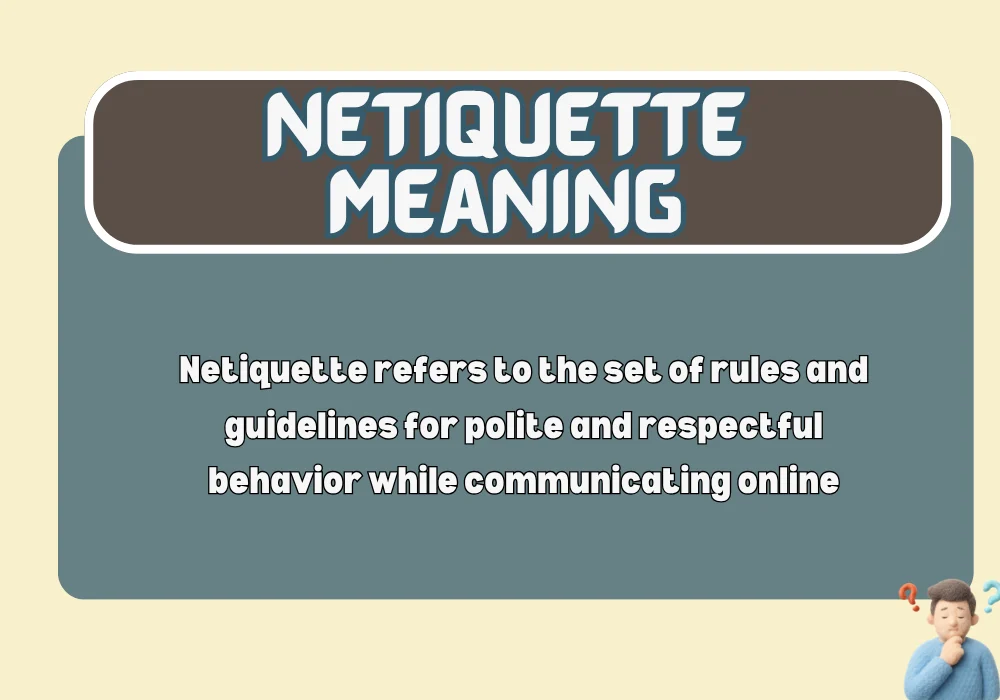
Netiquette refers to the set of rules and guidelines for polite and respectful behavior while communicating online. It applies to all forms of digital communication, including emails, messaging apps, social media, and online communities.
In simple terms, netiquette means good manners on the internet.
Origin of the Word
The term netiquette became popular in the early days of the internet when online forums and email communication started growing. People realized that without proper guidelines, online conversations could easily become rude, confusing, or disrespectful.
By combining net (internet) and etiquette (manners), the word netiquette was created to define expected online behavior.
Why Netiquette Is Important
Prevents Miscommunication
Online communication lacks tone and body language, which makes it easier to misunderstand messages. Netiquette helps ensure messages are clear and respectful.
Builds Positive Relationships
Whether personal or professional, following netiquette creates trust and makes people more comfortable interacting with you.
Maintains Professional Image
In workplaces and formal settings, good netiquette reflects professionalism and respect.
Common Rules of Netiquette
Think Before You Post
Always consider how your message might be received before sending or posting it.
Use Respectful Language
Avoid offensive words, harsh tone, or aggressive language.
Avoid Typing in All Caps
Writing in all capital letters can feel like shouting and may come across as rude.
Be Clear and Concise
Keep your message simple and to the point to avoid confusion.
Respect Privacy
Do not share personal or sensitive information without permission.
Give Credit When Needed
If you share someone else’s content, acknowledge the source.
Netiquette Meaning in Simple Language
In everyday terms, netiquette means:
- Being polite online
- Communicating clearly
- Respecting others’ opinions
- Avoiding unnecessary conflict
It is about treating people online the same way you would treat them in real life.
Examples of Netiquette in Conversations
Email Example
Good netiquette:
Hello, I hope you are doing well. I wanted to ask about the meeting schedule.
Bad netiquette:
Send me the meeting time now
Social Media Example
Good netiquette:
I respect your opinion, but I see it differently.
Bad netiquette:
Your opinion is wrong
Group Chat Example
Good netiquette:
Let’s keep the discussion focused so everyone can follow.
These examples show how tone and wording make a big difference.
Netiquette Compared to Similar Concepts
| Term | Meaning | Key Difference |
|---|---|---|
| Netiquette | Online behavior rules | Specific to internet communication |
| Etiquette | General manners | Applies to real life |
| Digital etiquette | Broader online behavior | Includes device usage habits |
| Professional conduct | Workplace behavior | More formal and strict |
- Netiquette focuses specifically on communication in digital spaces.
Netiquette in Different Online Platforms
Social Media
- Avoid spreading false information
- Respect different viewpoints
- Do not engage in unnecessary arguments
Emails
- Use proper greetings and closings
- Avoid slang in formal messages
- Keep the message structured
Online Forums
- Stay on topic
- Avoid spamming
- Follow community rules
Messaging Apps
- Do not send excessive messages
- Respect response time
- Avoid interrupting conversations
Common Mistakes or Misunderstandings
Thinking Online Communication Is Less Important
Many people behave differently online, forgetting that digital words have real impact.
Ignoring Tone
Without tone indicators, messages can sound rude even if not intended.
Oversharing Personal Information
Sharing too much online can create privacy risks.
Responding Too Quickly in Anger
Reacting emotionally without thinking can lead to conflict.
Netiquette in Modern Digital Culture
As technology evolves, netiquette continues to grow in importance. Today it applies to:
- Remote work communication
- Online learning platforms
- Social media interactions
- Digital collaborations
Good netiquette helps maintain a respectful and productive online environment.
Related Words and Concepts
When learning the netiquette meaning, you may also come across:
- Online manners
- Digital communication
- Cyber behavior
- Internet ethics
- Social conduct
Each of these connects to how people behave in digital spaces.
FAQs:
What does netiquette mean in simple words?
Netiquette means having good manners and behaving respectfully while communicating online.
Why is netiquette important?
Netiquette helps prevent misunderstandings, builds positive relationships, and maintains professionalism.
What are examples of good netiquette?
Using polite language, respecting opinions, and writing clear messages are examples of good netiquette.
Does netiquette apply to social media?
Yes, netiquette applies to all online platforms, including social media, emails, and messaging apps.
Can poor netiquette cause problems?
Yes, poor netiquette can lead to misunderstandings, conflicts, and a negative impression.
Conclusion:
The netiquette meaning is essential in today’s digital world. It represents the basic rules of respectful and effective communication online. Whether you are sending an email, posting on social media, or chatting in a group, following netiquette helps create a positive and clear communication experience.
By understanding and applying netiquette, you can avoid unnecessary misunderstandings, build better connections, and communicate more confidently in any online setting.

John is the founder and primary content creator of Worlyz. He has a strong passion for explaining word meanings, language concepts, slang terms, and educational topics in a clear and simple way. John focuses on creating well researched, reader friendly content that helps users easily understand complex words and ideas. Through Worlyz, his goal is to make learning meanings and concepts straightforward and accessible for everyone.