If you have ever seen the term cholelithiasis in a medical report, ultrasound result, or doctor’s note, it can sound confusing and even alarming. Many people search for the cholelithiasis meaning after experiencing abdominal pain or being told they have gallstones. Understanding this term in simple language can help you feel more informed and less anxious about your health.
Medical words often look complicated, but once broken down, they are much easier to understand. This guide explains what cholelithiasis means, why it happens, how it is used in medical conversations, and what people usually misunderstand about it.
What Does Cholelithiasis Mean
Simple Definition
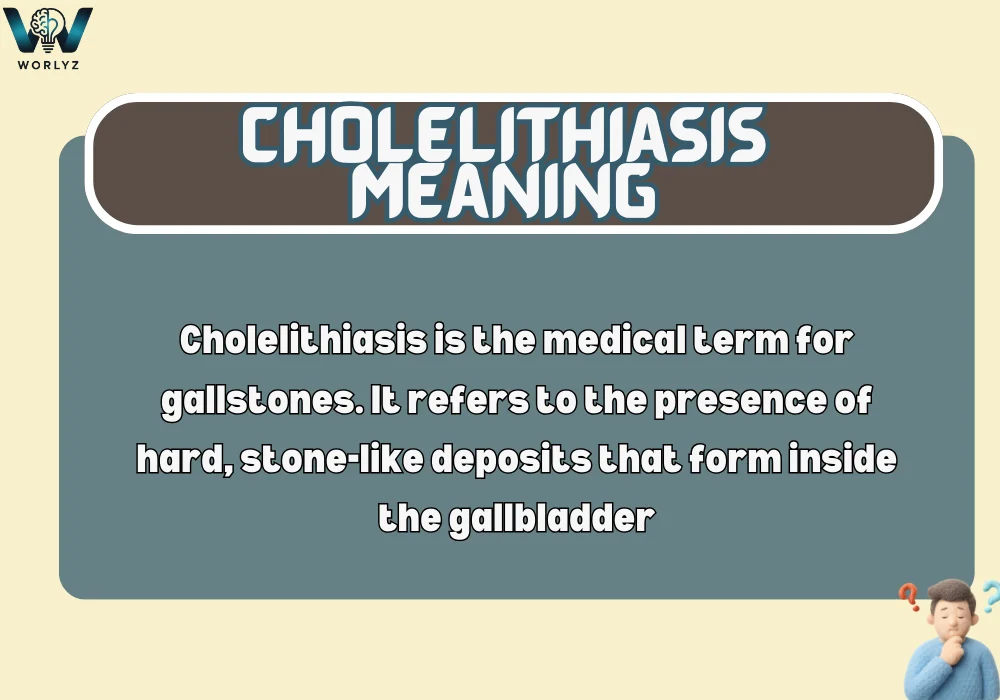
Cholelithiasis is the medical term for gallstones. It refers to the presence of hard, stone-like deposits that form inside the gallbladder.
In plain terms, cholelithiasis means:
- You have stones in your gallbladder
- These stones can be small like grains of sand or large like pebbles
Breaking Down the Word
Understanding the word itself makes it much clearer:
- Chole refers to bile or the gallbladder
- Lith means stone
- Iasis means a condition
So cholelithiasis literally means a condition involving stones in the gallbladder.
What Is the Gallbladder and Why It Matters
The gallbladder is a small organ located under the liver. Its main job is to store bile, a digestive fluid that helps break down fats in the food you eat.
When bile hardens or becomes imbalanced, gallstones can form. This is when cholelithiasis occurs.
Types of Gallstones in Cholelithiasis
There are two main types of gallstones associated with cholelithiasis.
Cholesterol Gallstones
- Most common type
- Usually yellow or green
- Form when bile contains too much cholesterol
Pigment Gallstones
- Dark brown or black
- Made from excess bilirubin
- More common in certain medical conditions
Both types fall under the diagnosis of cholelithiasis.
What Causes Cholelithiasis
Cholelithiasis develops when bile components become unbalanced. Common causes include:
- Too much cholesterol in bile
- Gallbladder not emptying fully
- Excess bilirubin in bile
- Slow bile movement
Risk factors may include:
- Being over weight
- Rapid weight loss
- Pregnancy
- Family history
- Age and hormonal factors
Not everyone with these risk factors will develop gallstones, but they increase the likelihood.
Symptoms of Cholelithiasis
When There Are No Symptoms
Many people with cholelithiasis have no symptoms at all. This is called silent gallstones and they are often discovered during imaging for another reason.
Common Symptoms When Gallstones Cause Problems
When symptoms do occur, they may include:
- Sudden pain in the upper right abdomen
- Pain that spreads to the back or right shoulder
- Nausea or vomiting
- Bloating after meals
- Discomfort after eating fatty foods
Pain from cholelithiasis often comes in waves and may last from minutes to several hours.
How Cholelithiasis Is Diagnosed
Doctors usually diagnose cholelithiasis through imaging tests rather than blood tests alone.
Common diagnostic methods include:
- Ultrasound of the abdomen
- CT scan
- MRI in specific cases
Ultrasound is the most common and reliable method to detect gallstones.
How Cholelithiasis Is Treated
When No Treatment Is Needed
If gallstones are not causing symptoms, doctors may recommend no treatment and simple monitoring.
Treatment Options When Symptoms Occur
If cholelithiasis causes pain or complications, treatment may include:
- Pain management
- Dietary changes
- Medications to dissolve stones in rare cases
- Gallbladder removal surgery in severe or recurring cases
Surgery is often recommended when gallstones repeatedly cause pain or inflammation.
Cholelithiasis in Everyday Medical Conversations
You may see or hear the term cholelithiasis in situations such as:
- Ultrasound reports
- Hospital discharge summaries
- Medical prescriptions
- Doctor-patient discussions
Example medical note:
Patient diagnosed with cholelithiasis without acute inflammation
This simply means gallstones are present, but there is no active infection.
Common Mistakes or Misunderstandings About Cholelithiasis
Thinking Cholelithiasis Is Always Dangerous
Not all gallstones cause problems. Many people live their entire lives without symptoms.
Assuming Cholelithiasis Always Requires Surgery
Surgery is only recommended when symptoms or complications occur.
Confusing Cholelithiasis with Cholecystitis
Cholelithiasis means gallstones.
Cholecystitis means inflammation of the gallbladder, often caused by gallstones.
They are related but not the same condition.
Related Medical Terms You May See
When learning the cholelithiasis meaning, you may also encounter:
- Cholecystitis meaning gallbladder inflammation
- Biliary colic meaning gallstone-related pain
- Choledocholithiasis meaning gallstones in the bile duct
- Hepatobiliary system referring to liver and bile organs
Understanding these terms helps you read medical reports more confidently.
FAQs:
What does cholelithiasis mean in simple words?
Cholelithiasis means gallstones, which are hard deposits that form inside the gallbladder.
Is cholelithiasis the same as gallstones?
Yes, cholelithiasis is the medical term used to describe the presence of gallstones.
Can you have cholelithiasis without symptoms?
Yes, many people have gallstones without any pain or noticeable symptoms.
What usually triggers pain in cholelithiasis?
Pain is often triggered when gallstones block bile flow, especially after eating fatty foods.
Does cholelithiasis always require surgery?
No, surgery is only needed if gallstones cause repeated pain or complications.
Conclusion:
The cholelithiasis meaning refers to the presence of gallstones in the gallbladder. While the term may sound serious, many cases cause no symptoms and require little to no treatment.
Understanding this condition helps you better interpret medical reports and communicate clearly with healthcare providers. Knowing the difference between gallstones and related conditions also reduces unnecessary worry and confusion.
If you have come across another medical term that feels confusing, feel free to share it and learn what it really means in simple language.

John is the founder and primary content creator of Worlyz. He has a strong passion for explaining word meanings, language concepts, slang terms, and educational topics in a clear and simple way. John focuses on creating well researched, reader friendly content that helps users easily understand complex words and ideas. Through Worlyz, his goal is to make learning meanings and concepts straightforward and accessible for everyone.