The word fistula may sound unfamiliar, but it is commonly used in medical conversations, doctor reports, and health discussions online. Many people first hear it after a diagnosis or while searching for symptoms, which can make the term feel confusing or even alarming. Understanding the fistula meaning in simple language helps you know what it is, why it happens, and how it is treated.
This guide explains fistula in a clear, easy-to-understand way so you can feel more informed and confident when reading medical information or talking to a healthcare professional.
What Does Fistula Mean
Simple Definition
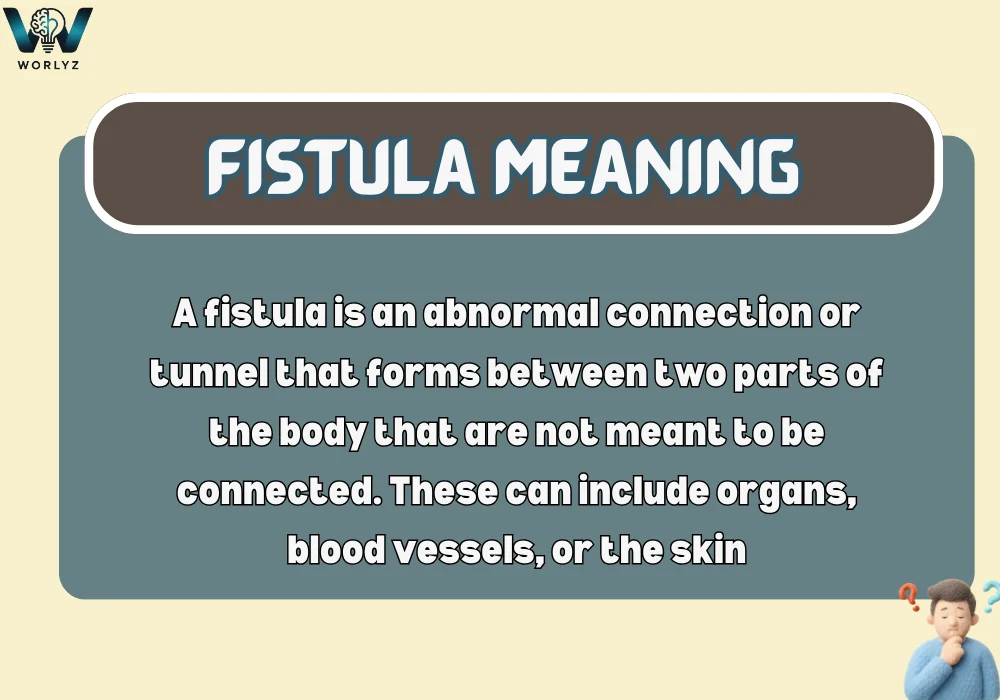
A fistula is an abnormal connection or tunnel that forms between two parts of the body that are not meant to be connected. These can include organs, blood vessels, or the skin.
In short, a fistula is an unwanted passageway inside the body.
Medical Explanation
In medical terms, a fistula develops when tissue breaks down or is damaged, allowing two surfaces to join together. This can cause fluids, waste, or blood to pass in abnormal ways.
For example:
- Between the intestine and the skin
- Between the bladder and the vagina
- Between an artery and a vein
Types of Fistula
There are several types of fistulas, depending on where they form in the body.
Anal Fistula
An anal fistula connects the anal canal to the skin near the anus. It often develops after an infection or abscess.
Common signs include:
- Pain or swelling near the anus
- Discharge or pus
- Discomfort while sitting
Vaginal Fistula
A vaginal fistula forms between the vagina and another organ, such as the bladder or rectum.
Types include:
- Vesicovaginal fistula between bladder and vagina
- Rectovaginal fistula between rectum and vagina
Symptoms may include leakage of urine or stool through the vagina.
Arteriovenous Fistula
This type connects an artery directly to a vein. It may be:
- Congenital present at birth
- Surgically created for dialysis access
Intestinal Fistula
An intestinal fistula forms between parts of the intestine or between the intestine and skin. It may occur after surgery or due to inflammatory bowel disease.
What Causes a Fistula
Fistulas can develop for several reasons. Some are medical conditions, while others are related to injury or surgery.
Common Causes
- Infections or abscesses
- Surgery complications
- Inflammatory bowel diseases like Crohn’s disease
- Childbirth trauma
- Radiation therapy
- Long-term untreated inflammation
The body tries to heal, but instead of closing normally, a tunnel forms.
Fistula Meaning Explained in Simple Terms
Think of a fistula like a shortcut the body accidentally creates. Instead of fluids following their normal path, they take this new route, which causes problems.
For example:
- Waste may leak where it should not
- Fluids may irritate nearby skin or organs
- Infections may keep returning
This is why fistulas usually require medical treatment.
Symptoms of a Fistula
Symptoms vary depending on the type and location, but common signs include:
- Pain or swelling
- Unusual discharge or leakage
- Recurrent infections
- Skin irritation
- Fever in some cases
Some fistulas are small and cause mild symptoms, while others can be very disruptive.
How Fistulas Are Diagnosed
Doctors use different methods to diagnose a fistula, including:
- Physical examination
- Imaging tests such as MRI or CT scan
- Ultrasound
- Dye tests to track fluid movement
Early diagnosis helps prevent complications.
How Fistulas Are Treated
Treatment depends on the size, type, and cause of the fistula.
Non-Surgical Treatment
In mild cases, doctors may recommend:
- Antibiotics
- Drainage of infection
- Monitoring for natural healing
Surgical Treatment
Many fistulas require surgery to close the abnormal connection. Procedures may include:
- Fistulotomy
- Tissue repair or grafts
- Advanced reconstructive surgery
Recovery time depends on the procedure and overall health.
Can a Fistula Heal on Its Own
Some small fistulas may heal naturally, especially if the cause is treated early. However, many fistulas persist and need medical or surgical intervention.
Ignoring symptoms can lead to:
- Chronic infection
- Skin damage
- Worsening discomfort
Common Misunderstandings About Fistula
Fistula Is Not Always Life-Threatening
While serious, most fistulas are treatable with proper medical care.
Fistula Is Not the Same as an Abscess
An abscess is an infection pocket, while a fistula is a tunnel that often forms after an abscess.
Fistulas Are Not Rare
They occur worldwide and affect people of all ages.
Living With a Fistula
Living with a fistula can be physically and emotionally challenging. Many people experience discomfort, embarrassment, or anxiety. Support from healthcare providers and early treatment can greatly improve quality of life.
Simple steps include:
- Following treatment plans
- Maintaining hygiene
- Seeking medical advice early
FAQs:
What is the basic meaning of fistula?
A fistula is an abnormal tunnel that forms between two body parts that are not meant to be connected.
Is fistula a serious condition?
A fistula can be serious if left untreated, but most cases are manageable with medical or surgical treatment.
What are the main symptoms of a fistula?
Common symptoms include pain, swelling, unusual discharge, leakage, and repeated infections.
Can a fistula heal without surgery?
Some small fistulas may heal on their own, but many require medical or surgical treatment.
Is fistula caused by poor hygiene?
No, fistulas are usually caused by infection, surgery, inflammation, or injury, not hygiene alone.
Conclusion:
The fistula meaning refers to an abnormal connection inside the body that can affect normal function and comfort. While the word may sound intimidating, understanding what a fistula is helps reduce fear and confusion.
With early diagnosis and proper treatment, most fistulas can be managed effectively. If symptoms appear, seeking medical advice promptly is the best step toward recovery and peace of mind.

John is the founder and primary content creator of Worlyz. He has a strong passion for explaining word meanings, language concepts, slang terms, and educational topics in a clear and simple way. John focuses on creating well researched, reader friendly content that helps users easily understand complex words and ideas. Through Worlyz, his goal is to make learning meanings and concepts straightforward and accessible for everyone.