The word mama is one of the most widely used and emotionally meaningful words across cultures and languages. Whether you hear it in everyday conversations, social media posts, family gatherings, or children’s first words, mama carries a deep sense of love, care, and connection.
In many parts of the world, mama is often the very first word a child says. It is simple to pronounce and naturally linked to the mother figure who provides comfort and support. But beyond childhood, the word has grown to include many meanings in modern communication, slang, and cultural expressions.
Understanding the mama meaning helps you see why this word appears so often in conversations, messages, and even songs. In this article, we will break down what mama means, where it comes from, how people use it today, and some interesting examples you might see in everyday communication.
What Does Mama Mean? Definition and Origin:
At its core, mama simply means mother. It is a loving and informal way to refer to one’s mom or a maternal figure.
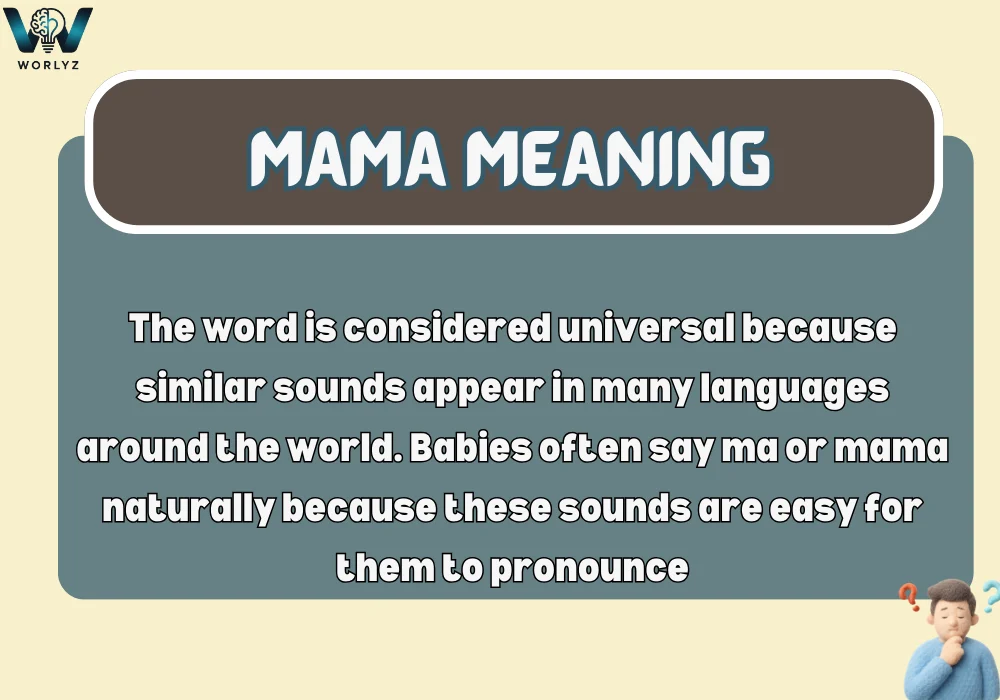
The word is considered universal because similar sounds appear in many languages around the world. Babies often say ma or mama naturally because these sounds are easy for them to pronounce.
Basic definition of mama:
- A mother
- A maternal figure
- A term of affection or respect for a woman
- A nickname used by children or family members
The use of mama can vary depending on context, culture, and the relationship between people.
Linguistic origin of mama
Linguists believe that the word developed from early human speech patterns. Babies tend to produce sounds like ma, ba, and da first because they require simple mouth movements.
Over time, many languages adopted similar forms of the word:
| Language | Word for Mother |
|---|---|
| English | Mama / Mom |
| Spanish | Mamá |
| French | Maman |
| Italian | Mamma |
| Hindi | Maa |
| Chinese | Mama |
This pattern shows how the mama meaning is deeply rooted in human language and family relationships.
How to Use Mama in Texts or Conversations
People use the word mama in different ways depending on the situation. It can be formal, affectionate, playful, or even used as slang in some communities.
Here are some common ways the word appears in everyday communication.
1. Referring to your mother
The most traditional use is simply talking about your mother.
Example:
- I called my mama today to check how she is doing.
- My mama makes the best homemade food.
2. Children speaking to their mother
Young children often use mama when they need attention or comfort.
Example:
- Mama can you help me with my homework
- Mama I am hungry
3. As a term of affection
Adults sometimes use the word when speaking lovingly or casually about their mom.
Example:
- I miss my mama’s cooking
- My mama always gives the best advice
4. Social media or online captions
On platforms like Instagram or TikTok, the word often appears in family posts.
Example captions:
- Sunday dinner with mama
- Proud mama moment today
- Mama life is busy but beautiful
5. Slang or playful use
In some contexts, mama may be used playfully or as a nickname.
Example:
- You look amazing today mama
- Relax mama you deserve a break
Examples of Mama in Conversations
Seeing real examples makes it easier to understand how naturally the word fits into everyday language.
Family conversation
Child: Mama where are my shoes
Mother: They are near the door
Text message example
Friend: What are you doing tonight
You: Having dinner with my mama
Social media example
Caption: Spending quality time with mama today
Playful conversation
Friend: You worked so hard this week
You: Thanks I feel like a proud mama finishing all my tasks
These examples show that mama can be used in both serious and casual communication.
Common Mistakes or Misunderstandings
Even though the word is simple, people sometimes misunderstand its meaning depending on the context.
Confusing mama with mom or mother
All three words refer to the same person but differ in tone.
| Word | Tone | Example |
|---|---|---|
| Mother | Formal | My mother works as a teacher |
| Mom | Casual | My mom is coming home |
| Mama | Affectionate | I love my mama |
Thinking mama is only used by children
While children use it most often, adults also use the word affectionately throughout their lives.
Example:
- I called my mama just to say hello.
Cultural differences
In some cultures, mama may be used to respectfully address an older woman, even if she is not your actual mother.
Example:
- Thank you mama for helping us today.
Understanding these differences prevents confusion when you hear the word in different contexts.
Mama vs Other Words for Mother
Many languages and cultures use different words for the same idea of a mother figure.
Here is a helpful comparison.
| Word | Meaning | Tone | Where It Is Common |
|---|---|---|---|
| Mama | Mother | Affectionate | Family conversations |
| Mom | Mother | Casual | Everyday speech |
| Mother | Female parent | Formal | Official or respectful settings |
| Mommy | Mother | Childlike | Young children |
| Mum | Mother | Casual | British English |
This table helps explain why mama meaning feels more emotional and personal compared to more formal words.
Why Mama Is Such a Powerful Word
There are several reasons why the word mama has such strong emotional value.
1. It is often a child’s first word
Many babies say mama before other words, creating a strong early bond between the word and feelings of safety.
2. It represents care and comfort
For many people, the word reminds them of home, support, and childhood memories.
3. It is used worldwide
Because similar versions exist in many languages, people across cultures instantly recognize its meaning.
4. It appears in music, movies, and culture
You will often hear the word in songs, films, and stories where family relationships are important.
Related Slangs or Similar Words
Several other words and expressions are related to mama or carry similar meanings.
Mommy
A more childish or playful version used by younger kids.
Example: Mommy can we go to the park
Mom
The most common everyday term for mother in modern English.
Example: My mom is cooking dinner tonight.
Mama bear
A slang phrase describing a protective mother.
Example: She turned into a mama bear when someone criticized her child.
Baby mama
A slang term used in informal conversations to refer to the mother of someone’s child.
Example: He went to pick up his son from the baby mama.
Mama’s boy
A phrase describing someone who is very attached to their mother.
Example: People joke that he is a mama’s boy.
Frequently Asked Questions:
What does mama mean?
Mama means mother and is a loving or informal way to refer to a female parent.
Why do babies say mama first?
Babies often say mama early because the sound is simple and easy for them to pronounce.
Is mama the same as mom?
Yes, both refer to a mother, but mama usually sounds more affectionate or emotional.
Can adults say mama?
Yes, many adults still call their mother mama as a sign of love and closeness.
Is mama used in different cultures?
Yes, similar versions of the word appear in many languages around the world.
Conclusion:
The mama meaning goes far beyond a simple dictionary definition. It represents love, care, protection, and one of the most important relationships in human life.
From a baby’s first words to heartfelt conversations later in life, the word continues to hold emotional power across generations. It is used in families, online conversations, social media posts, and everyday communication.
Because the word exists in many cultures and languages, it remains one of the most universal and meaningful expressions people use when talking about their mothers.
If you enjoy learning about language and everyday expressions, feel free to share your favorite words or phrases people use for mother in your culture.

John is the founder and primary content creator of Worlyz. He has a strong passion for explaining word meanings, language concepts, slang terms, and educational topics in a clear and simple way. John focuses on creating well researched, reader friendly content that helps users easily understand complex words and ideas. Through Worlyz, his goal is to make learning meanings and concepts straightforward and accessible for everyone.