The phrase plot twist is everywhere today. You see it in movie reviews, TV show discussions, book summaries, memes, and even casual conversations online. Someone might say that a story had a obsessed plot twist, or jokingly call a real-life situation a plot twist. Understanding the plot twist meaning helps you enjoy stories more and use the phrase correctly in everyday language.
In modern communication, plot twist is no longer limited to books and films. It has become part of internet culture, social media captions, and casual texting. This article explains what a plot twist really means, how it works, and how people use it today.
What Does Plot Twist Mean
Definition
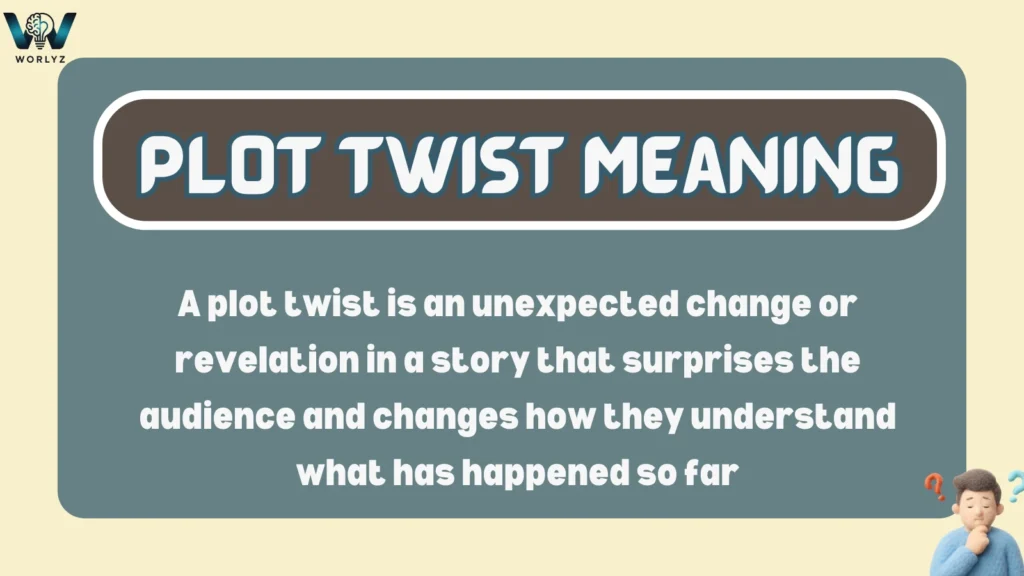
A plot twist is an unexpected change or revelation in a story that surprises the audience and changes how they understand what has happened so far.
It usually:
- Breaks expectations
- Reveals new information
- Changes the direction of the story
In simple terms, a plot twist makes you think, I did not see that coming.
Origin of the Term
The term plot twist comes from storytelling and literature. Writers have used twists for centuries to keep readers engaged and emotionally invested. Over time, the phrase moved beyond books and became common in movies, television, and modern digital language.
Today, plot twist is often used both seriously and humorously.
How Plot Twists Work in Stories
Purpose of a Plot Twist
Plot twists exist to:
- Shock or surprise the audience
- Add depth to characters
- Make the story more memorable
- Encourage rethinking earlier events
A good plot twist feels unexpected but still logical once revealed.
Common Types of Plot Twists
There are several popular types of plot twists used in storytelling.
- A character is not who they seemed to be
- The hero turns out to be the villain
- A trusted character betrays others
- The ending changes the entire meaning of the story
- What seemed like reality was not real
Each type plays with audience expectations in a different way.
Plot Twist Meaning in Simple Language
In everyday terms, a plot twist is:
- A surprise moment in a story
- A sudden change that flips the situation
- A reveal that makes you rethink everything
It is the moment that makes people pause, gasp, or immediately talk about the story.
Examples of Plot Twists in Conversations
Entertainment Example
That movie was good, but the plot twist at the end made it amazing.
Book Discussion Example
The plot twist completely changed how I felt about the main character.
Casual Conversation Example
I thought today would be boring, but getting that call was a real plot twist.
Social Media Example
Life really loves throwing plot twists when you least expect them.
These examples show how the term is used both for fiction and real-life situations.
Plot Twist in Movies, Books, and TV Shows
Plot twists are especially popular in:
- Mystery stories
- Thrillers
- Crime dramas
- Psychological films
- Fantasy and science fiction
They keep audiences engaged and often become the most talked-about part of a story.
Plot Twist vs Similar Storytelling Terms
Many people confuse plot twist with other storytelling concepts. Here is a simple comparison to help.
| Term | Meaning | Key Difference |
|---|---|---|
| Plot twist | Sudden unexpected change | Focuses on surprise |
| Climax | Most intense moment | Emotional peak |
| Foreshadowing | Hint about future events | Happens before the twist |
| Surprise ending | Unexpected ending | Occurs only at the end |
| Reveal | Information disclosure | Not always shocking |
A plot twist can happen at any point in a story, not just at the end.
How Plot Twist Is Used in Modern Online Language
Today, plot twist is commonly used outside storytelling.
Common Online Uses
- Memes describing ironic situations
- Captions for unexpected life events
- Jokes about sudden changes
Example:
I planned to relax today. Plot twist, I had more work.
In this context, plot twist is used humorously rather than literally.
Common Mistakes or Misunderstandings
Thinking Every Surprise Is a Plot Twist
Not every surprise qualifies as a plot twist. A true plot twist changes understanding, not just events.
Overusing the Term
Calling every small change a plot twist can weaken its impact.
Confusing Plot Twist With Bad Writing
A good plot twist feels earned, while a random twist can feel confusing or forced.
Why Plot Twists Are So Popular
Plot twists are memorable because they:
- Create strong emotional reactions
- Encourage discussion and sharing
- Make stories stand out
That is why people often remember the twist long after they forget other details.
Related Words and Phrases
When learning the plot twist meaning, you may also see:
- Unexpected turn
- Shocking reveal
- Twist ending
- Surprise development
- Narrative shift
Each phrase is connected but slightly different in usage.
FAQs:
What does plot twist mean in simple words?
A plot twist means a surprising change in a story that makes you see it differently.
Can plot twist be used for real life situations?
Yes, people often use plot twist humorously to describe unexpected events in real life.
Is a plot twist always at the end of a story?
No, a plot twist can happen at any point in a story, not only at the ending.
What makes a plot twist good?
A good plot twist is surprising but still makes sense based on earlier events.
Are plot twists common in all genres?
Plot twists are most common in mysteries and thrillers but can appear in any genre.
Conclusion:
The plot twist meaning goes beyond books and movies. It represents surprise, change, and a shift in understanding that leaves a strong impact. Whether used to describe a shocking story moment or a sudden real-life event, plot twist captures the idea of the unexpected.
By understanding how plot twists work and how the phrase is used today, you can enjoy stories more deeply and use the term naturally in conversations, online posts, and discussions.

Alex is the owner and founder of Worlyz. He is passionate about explaining word meanings, language concepts, slang terms, and educational topics in a clear and simple manner. Alex focuses on creating high quality, well researched, and user focused content that helps readers understand complex words easily. Through Worlyz, his goal is to make learning language meanings and concepts accessible and reliable for everyone.