The word anime is widely used across the world, especially among fans of animated shows, movies, and Japanese culture. While many people associate anime with colorful characters and exciting storylines, the actual anime meaning goes deeper than just cartoons. Understanding this term helps you better appreciate its cultural roots, storytelling style, and modern global influence.
Anime is not just entertainment. It represents a unique form of art, storytelling, and expression that connects millions of fans worldwide. From action-packed series to emotional dramas, anime covers a wide range of genres and themes.
What Does Anime Mean
Definition
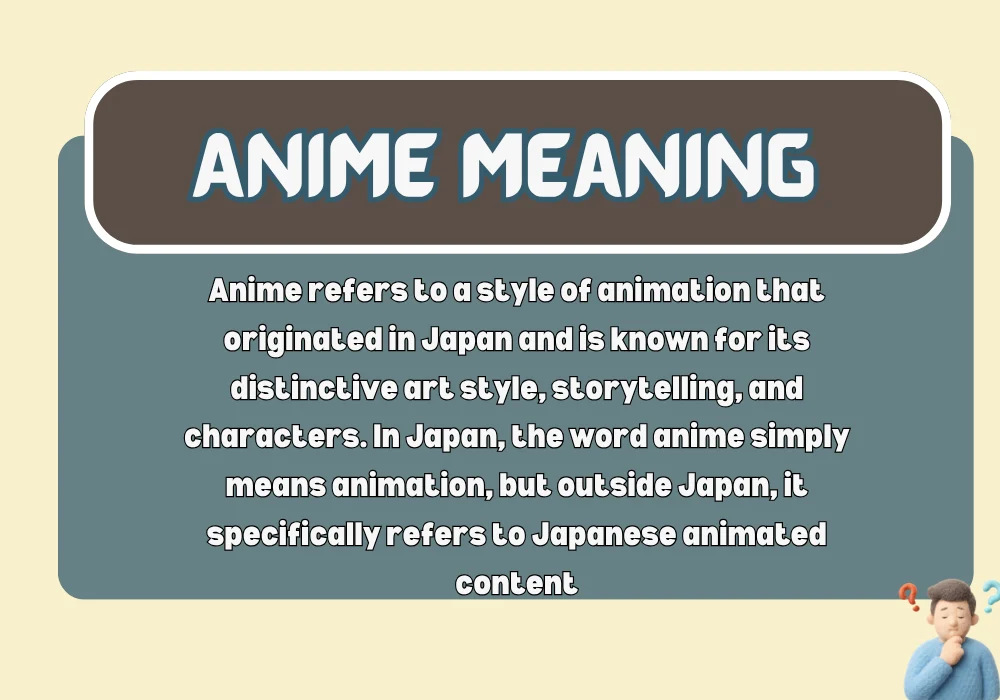
Anime refers to a style of animation that originated in Japan and is known for its distinctive art style, storytelling, and characters. In Japan, the word anime simply means animation, but outside Japan, it specifically refers to Japanese animated content.
In simple terms, anime means animated shows or movies created in Japan or inspired by Japanese animation style.
Origin and Background
The word anime comes from the English word animation, but it was shortened and adapted in Japanese pronunciation. Anime began gaining popularity in Japan during the early 20th century, but it became globally recognized in the late 20th and early 21st centuries.
Over time, anime evolved into a major cultural export, influencing entertainment industries around the world.
Different Meanings of Anime Based on Context
Anime in Japan
In Japan, anime refers to all forms of animation, whether local or international. This means even Western cartoons can be called anime in Japan.
Anime Outside Japan
In most other countries, anime specifically refers to:
- Japanese animated series
- Japanese animated films
- Shows inspired by Japanese animation style
This is the most common understanding of anime globally.
Anime Meaning in Simple Language
In everyday language, anime can be understood as:
- Japanese animated shows or movies
- Stories told through animation with unique art styles
- Entertainment that often includes deep plots and emotional themes
Anime is more than just cartoons because it targets different age groups, not just children.
Key Features That Define Anime
Unique Art Style
Anime is known for its recognizable visual style, including:
- Large expressive eyes
- Detailed backgrounds
- Stylized characters
Strong Storytelling
Unlike many cartoons, anime often focuses on:
- Complex plots
- Character development
- Emotional storytelling
Wide Range of Genres
Anime covers many genres, such as:
- Action
- Romance
- Horror
- Comedy
- Science fiction
- Fantasy
This variety makes anime appealing to different audiences.
Examples of Anime in Real Life
Everyday Conversation Example
I started watching anime last week and really enjoyed it.
Social Media Example
This anime has one of the best storylines I have seen.
Casual Recommendation Example
You should try anime if you like deep and emotional stories.
These examples show how commonly the word is used today.
Anime Compared to Cartoons
Understanding anime becomes easier when compared with cartoons.
| Feature | Anime | Cartoons |
|---|---|---|
| Origin | Japan | Mostly Western countries |
| Audience | All age groups | Often children |
| Story Depth | Complex and emotional | Usually simple |
| Art Style | Detailed and expressive | Varies widely |
| Themes | Serious and diverse | Often light and humorous |
Anime is generally more story-driven and emotionally engaging.
Cultural Importance of Anime
Anime plays a huge role in Japanese culture and global entertainment. It has influenced:
- Fashion trends
- Gaming industry
- Art styles
- Online communities
Anime conventions, fan art, and cosplay events show how strong its global impact has become.
Common Mistakes or Misunderstandings
Thinking Anime Is Only for Kids
Anime targets all age groups, including adults.
Assuming All Anime Is the Same
Anime includes many genres and styles, so each show can feel completely different.
Confusing Anime With Any Animation
Not all animation is anime. Anime specifically refers to Japanese animation or its style.
Popular Anime Genres Explained
To better understand anime, it helps to know some common categories:
- Shonen focused on action and adventure
- Shojo focused on romance and relationships
- Seinen aimed at adult audiences
- Isekai involving characters in another world
- Slice of life focusing on everyday experiences
These genres show how diverse anime can be.
Related Terms You May See
When learning the anime meaning, you may also encounter:
- Manga which refers to Japanese comics
- Otaku referring to anime fans
- Cosplay meaning dressing as anime characters
- Dub and sub referring to language versions
These terms are often used in anime communities.
FAQs:
What does anime mean in simple words?
Anime means animated shows or movies from Japan or created in a Japanese style.
Is anime different from cartoons?
Yes, anime usually has deeper stories, more detailed art, and targets a wider audience.
Can adults watch anime?
Yes, many anime series are created specifically for adult audiences.
Is all animation anime?
No, anime specifically refers to Japanese animation or its style.
Why is anime so popular?
Anime is popular because of its unique art style, strong storytelling, and wide range of genres.
Conclusion:
The anime meaning goes far beyond simple animation. It represents a unique blend of art, storytelling, and culture that has gained worldwide popularity. From action and fantasy to emotional and realistic stories, anime offers something for everyone.
By understanding anime and its different aspects, you can better appreciate its influence and enjoy the wide variety of content it provides.

John is the founder and primary content creator of Worlyz. He has a strong passion for explaining word meanings, language concepts, slang terms, and educational topics in a clear and simple way. John focuses on creating well researched, reader friendly content that helps users easily understand complex words and ideas. Through Worlyz, his goal is to make learning meanings and concepts straightforward and accessible for everyone.